Why Modern Zoos Matter: Conservation, Education and Wildlife
Why Modern Zoos Matter: Conservation, Education and Wildlife
A Zoo Can Be Much More Than a Place to See Animals
The role of zoological institutions has changed dramatically over time.
Today, responsible modern zoos and aquariums can contribute to a much larger mission involving animal welfare, public education, conservation and research.
That's the philosophy helping shape the future Ocala Zoological Park & Aquarium.
Creating Connections With Wildlife
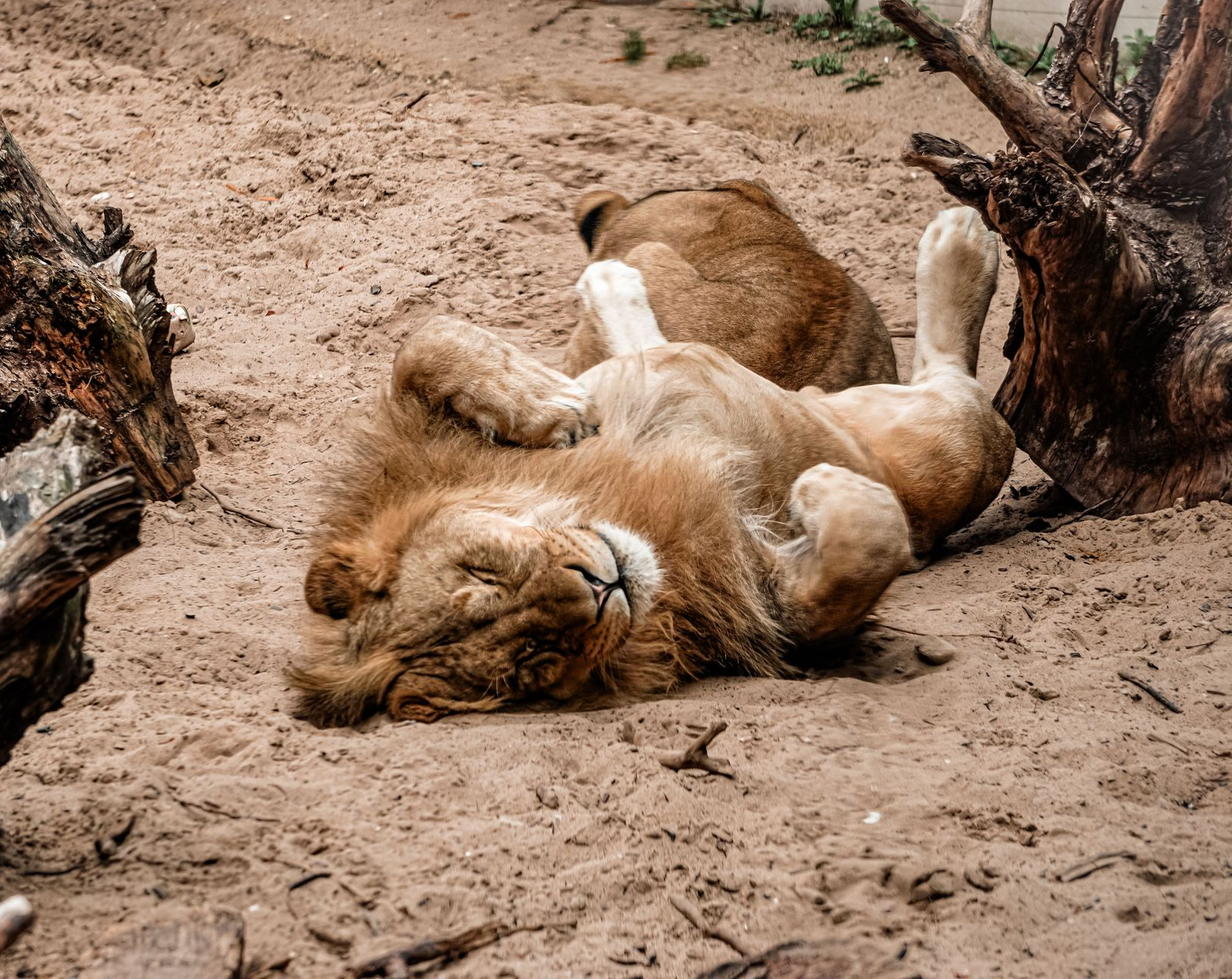
Reading about an animal and standing near one are very different experiences.
Seeing the enormous height of a giraffe or watching the movements of an alligator can create an emotional connection that photographs and videos sometimes cannot duplicate.
- That connection can lead to curiosity.
- Curiosity leads to knowledge.
- And knowledge can lead to conservation.
Helping People Understand Conservation
Threats facing wildlife can seem distant or abstract.
Habitat destruction, pollution, invasive species, wildlife trafficking and declining biodiversity are enormous subjects.
Zoos and aquariums can make these issues easier to understand by connecting them with individual species and ecosystems.
Inspiring Children
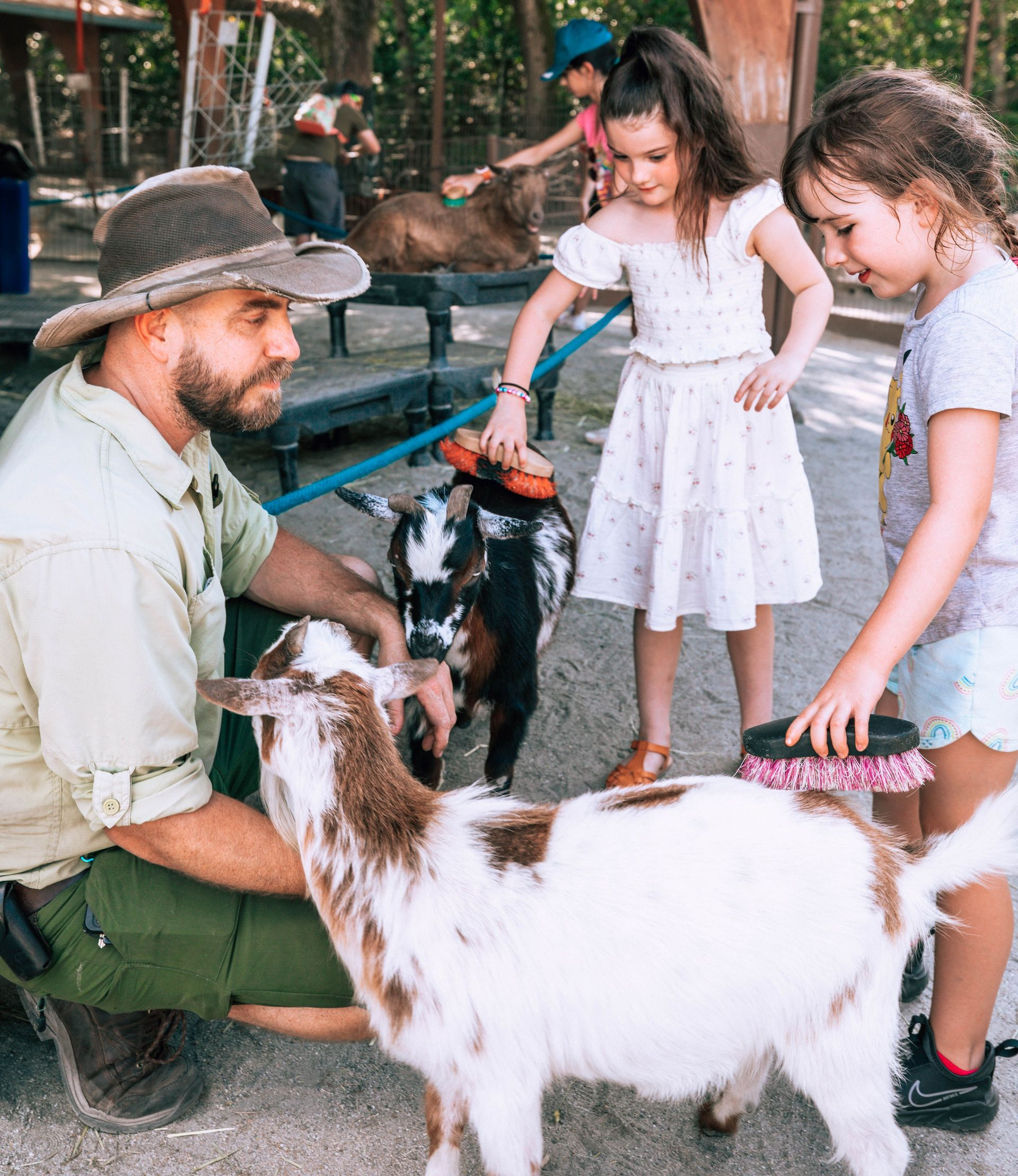
A childhood wildlife experience can have an impact lasting decades.
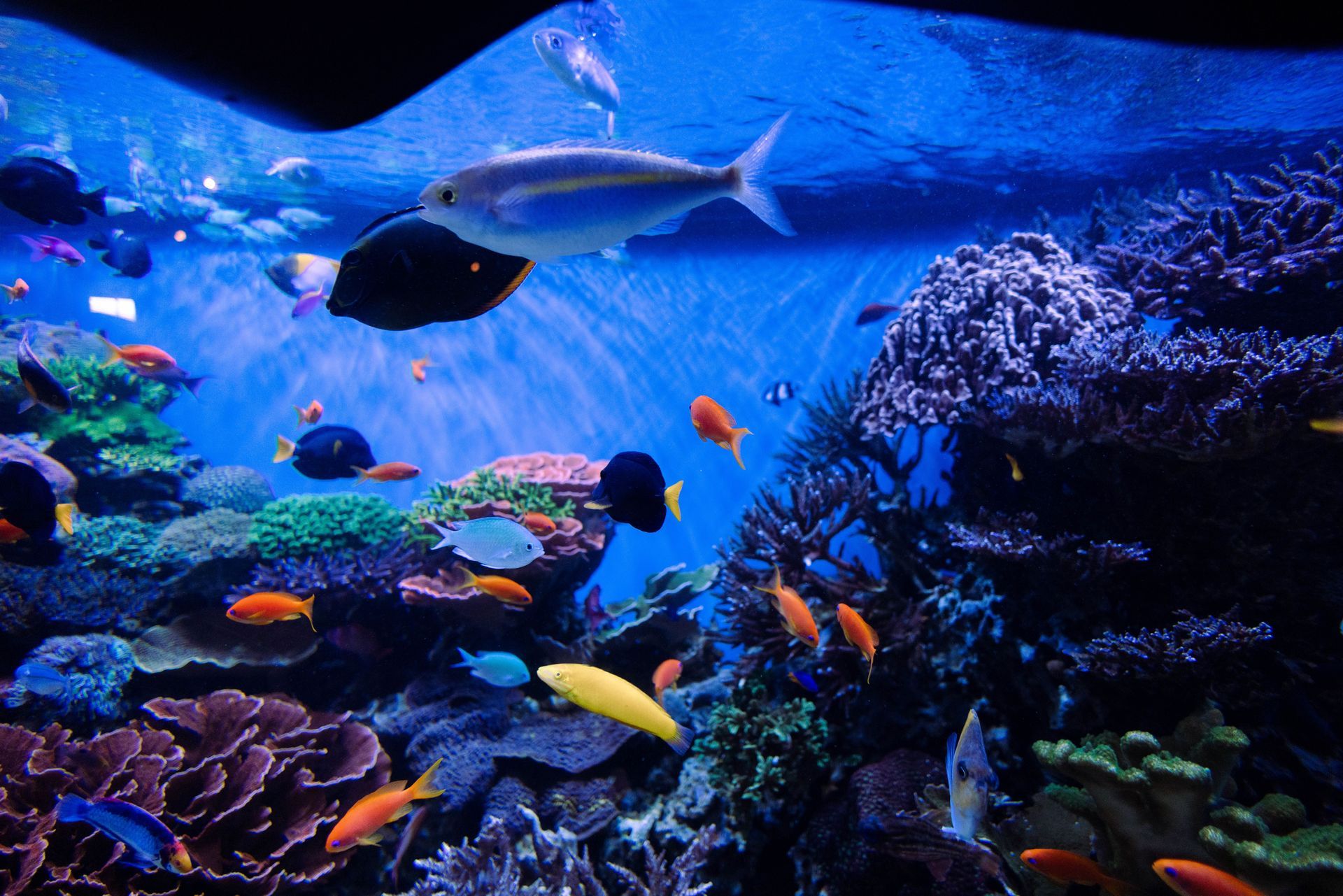
Today's child staring into an aquarium could become tomorrow's marine biologist.
The student fascinated by reptiles might become a veterinarian.
Another may simply grow into an adult who appreciates wildlife and makes environmentally responsible choices.
All of those outcomes matter.
Creating Better Habitats
Modern animal-care philosophy emphasizes environments that promote animal welfare and provide opportunities for species-appropriate behavior.
Habitat complexity and enrichment can encourage animals to explore, forage, climb, swim, investigate and interact with their environments.
Our Vision for Ocala
The Ocala Zoological Park & Aquarium is being developed around a simple belief:
When people understand wildlife, they're more likely to care about it.
And when people care, they're more likely to protect it.