Why Do Flamingos Turn Pink? And Other Amazing Bird Facts
Why Do Flamingos Turn Pink? And Other Amazing Bird Facts
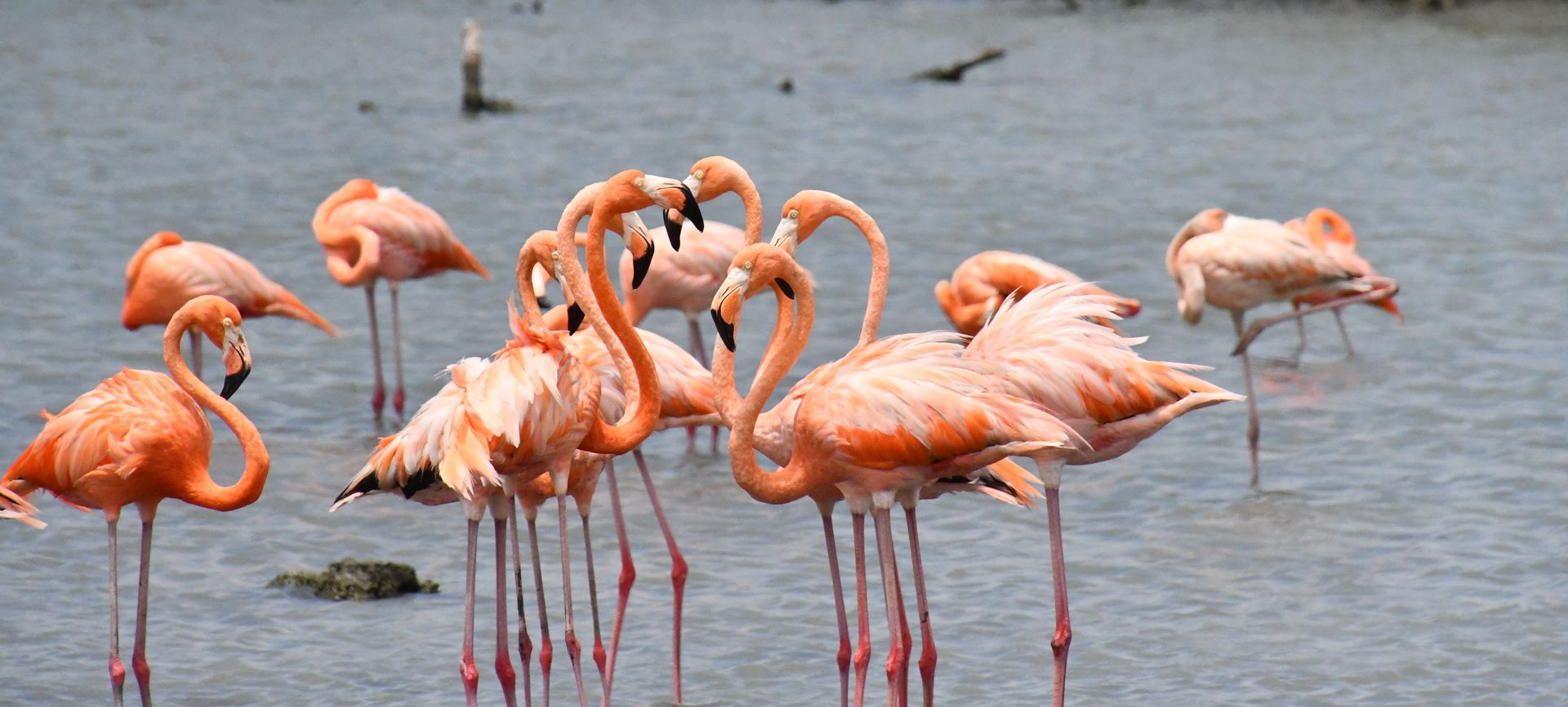
Flamingos Aren't Born Bright Pink
It's one of the most common questions about these remarkable birds:
"Why are flamingos pink?"
The answer starts with dinner.
Flamingos obtain pigments called carotenoids through their diet. These pigments are found in organisms they consume and contribute to the famous pink and reddish coloration associated with flamingos.
Without those dietary pigments, flamingos wouldn't have quite the same appearance we recognize.
And that's only the beginning of what's fascinating about birds.
Birds Are Living Dinosaurs
Modern birds are descendants of theropod dinosaurs.
That means the colorful bird sitting in your backyard represents one branch of a family tree stretching back to the age of dinosaurs.
Feathers Aren't Just for Flying
Feathers can help birds fly, but they serve many other purposes.
They provide insulation, protection, camouflage, waterproofing and colorful displays used for communication and attracting mates.
Not Every Bird Can Fly
Penguins, ostriches, emus and several other birds don't fly.
Instead, evolution produced different specializations.
Ostriches became extraordinary runners while penguins developed bodies superbly adapted for moving underwater.
Some Birds Are Incredible Travelers
Many migratory birds travel enormous distances every year as they move between breeding and wintering grounds.
Some journeys cover thousands of miles and require remarkable navigation abilities.
Experience a World of Wings
The future Walk-Through Aviary and Flamingo Lagoon planned for the Ocala Zoological Park & Aquarium will give visitors opportunities to discover birds in exciting new ways.
Our goal is to turn a simple encounter into curiosity:
"Why does it do that?"
And once someone starts asking why, learning has already begun.